The Science Behind Logo Creation: How Shapes and Colors Affect Consumer Choices
Recent Post


Ready to boost your reach and build a powerful brand online?
Phone
+92-302-5643101
info@hazaradigitals.com
Introduction
More Than Just an Image
A logo transcends being a mere image; it acts as a psychological prompt that molds consumer perceptions in mere moments. Before anyone delves into your content, examines your offerings, or gains insight into your brand, they encounter your logo. This split-second evaluation plays a crucial role in how trustworthy, highend, and unforgettable your business appears.
As digital rivalry escalates in 2025, companies must approach logo design with intellect and psychological insight, steering clear of assumptions. Each shape, hue, and contour conveys a message—and responses from consumers often occur subconsciously, frequently without their awareness.
Let’s delve into how the science of logo design significantly influences consumer behavior.
The Importance of Logo Science
The human mind can process visual information up to 60,000 times faster than text. This highlights that your logo provides the initial and most impactful impression of your brand.
A thoughtfully crafted logo can express:
Reliability
Professionalism
Affluence
Innovation
Self-assuredness
Approachability
In contrast, a poorly designed logo can produce the opposite effect, making your brand seem inexpensive, outdated, or untrustworthy. When logos are designed with psychological insights, they can affect customer choices on a profound emotional level.
The Science of Logo Shapes
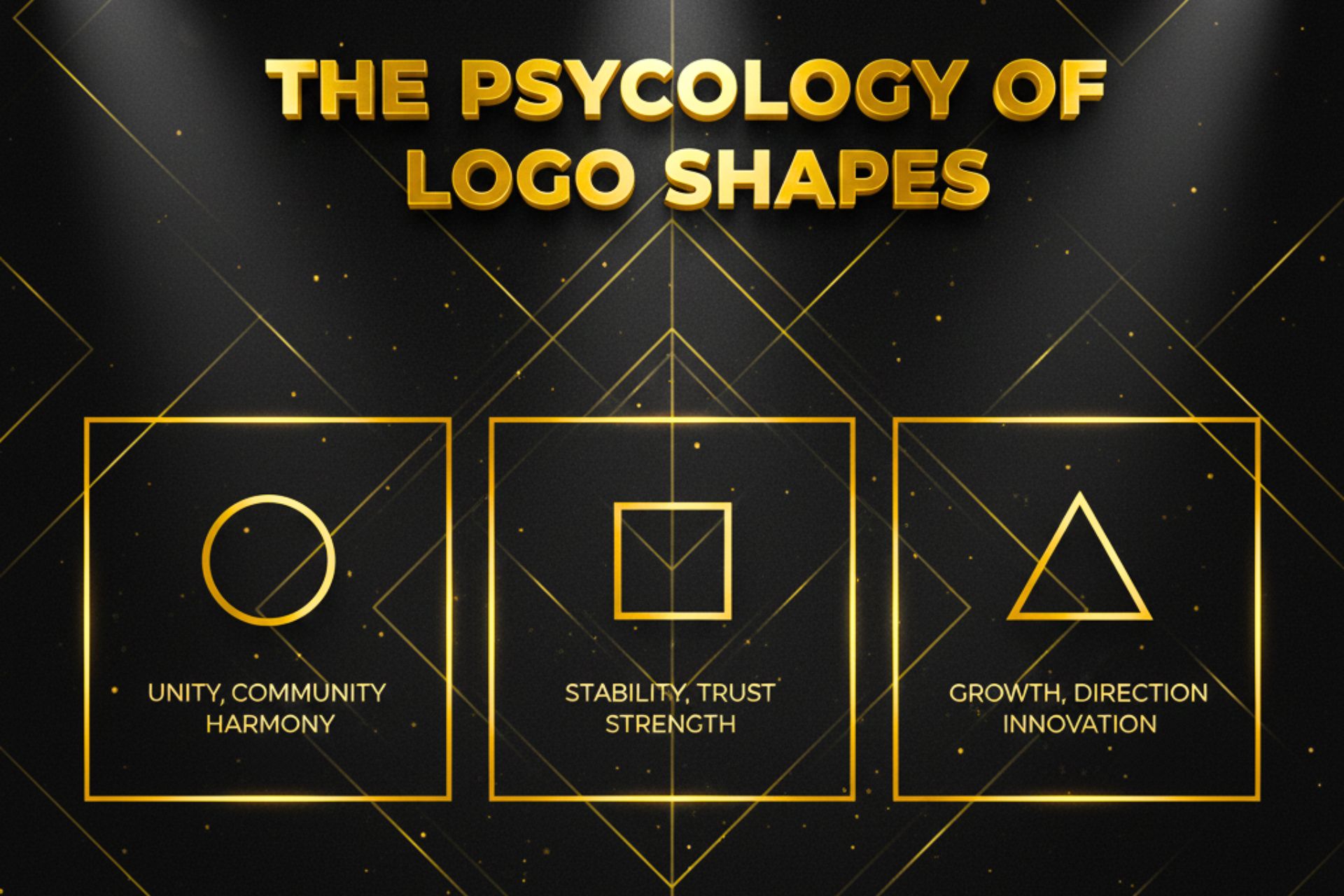
Shapes convey significance instantly. Each form triggers a range of feelings and associations.
1. Circles and Curves
Circles symbolize unity, connection, and camaraderie. Businesses utilize circular logos to appear friendly, open, and inviting. Curved forms also exude softness, humanity, and approachability.
2. Squares and Rectangles
These figures communicate solidity, strength, and professionalism. They are often adopted by tech firms and corporate entities that aim to project reliability and organization.
3. Triangles
These figures communicate solidity, strength, and professionalism. They are often adopted by tech firms and corporate entities that aim to project reliability and organization.
4. Unique Shapes and Custom Symbols
Contemporary brands embrace distinctive geometric symbols to showcase creativity and uniqueness. These forms underscore originality and enhance brand recall.
The appropriate shape hinges on the persona you wish to communicate.
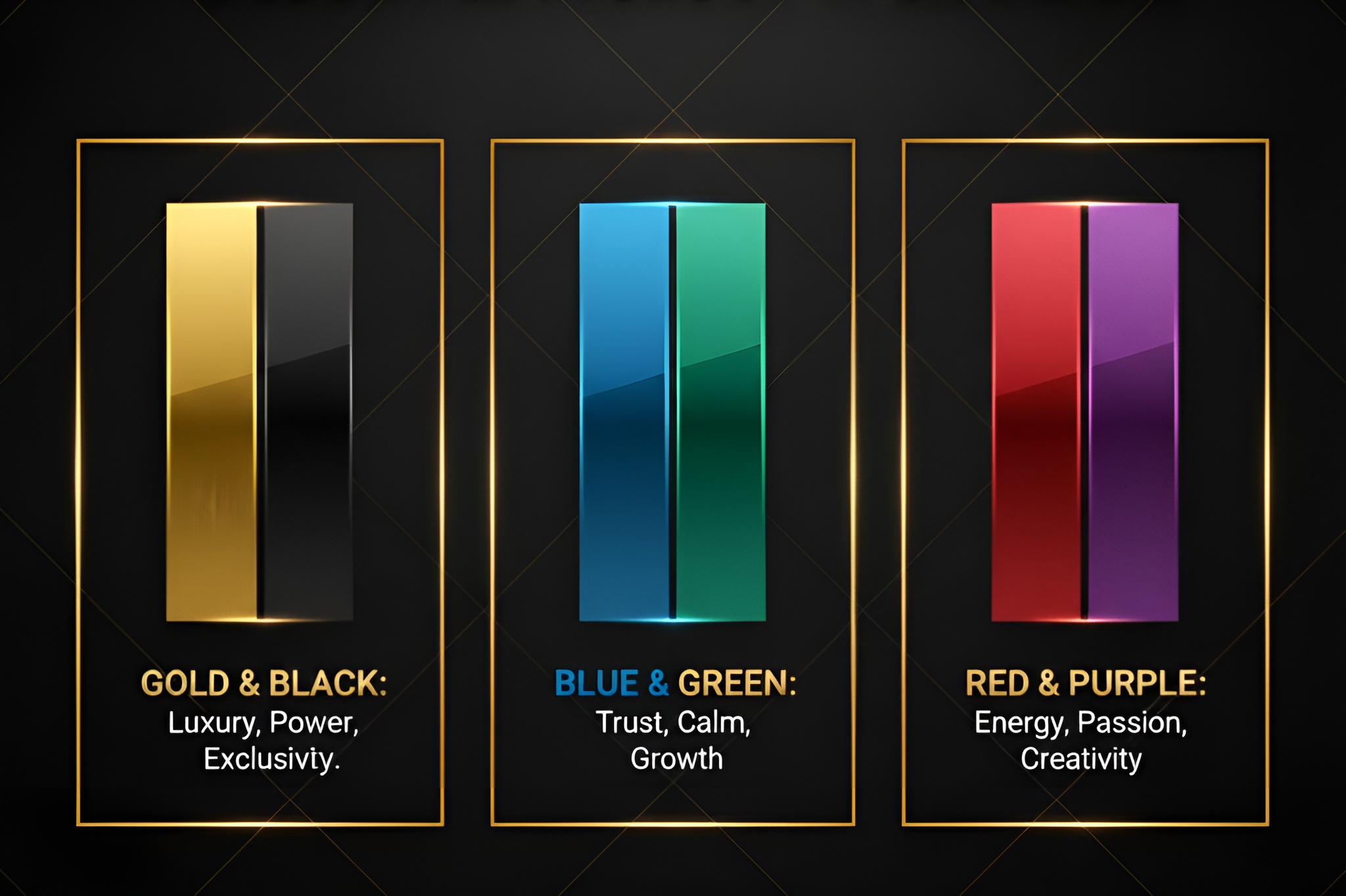
The Influence of Color Psychology in Logo Design
Colors wield an instant emotional impact. In branding, hues are selected purposefully to sway how customers feel and react.
Gold: Opulence, elite value, exclusivity. Gold instantly positions your brand in a high-end category.
Black: Dominance, sophistication, authority. Frequently paired with gold for a luxurious look.
Blue: Trust, tranquility, intellect. Commonly used by financial institutions, tech companies, and corporate businesses.
Red: Enthusiasm, urgency, passion. Employed by brands seeking immediate attention or excitement.
Green: Development, nature, vitality. Ideal for eco-friendly, health, and organic brands.
Purple: Originality, imagination, royalty. Used for artistic, high-end, or spiritual brands.
Selecting colors without grasping their psychological effect can confuse consumers, but choosing them with purpose fortifies your message and enhances your brand’s emotional resonance.
How Logo Science Shapes Consumer Choices
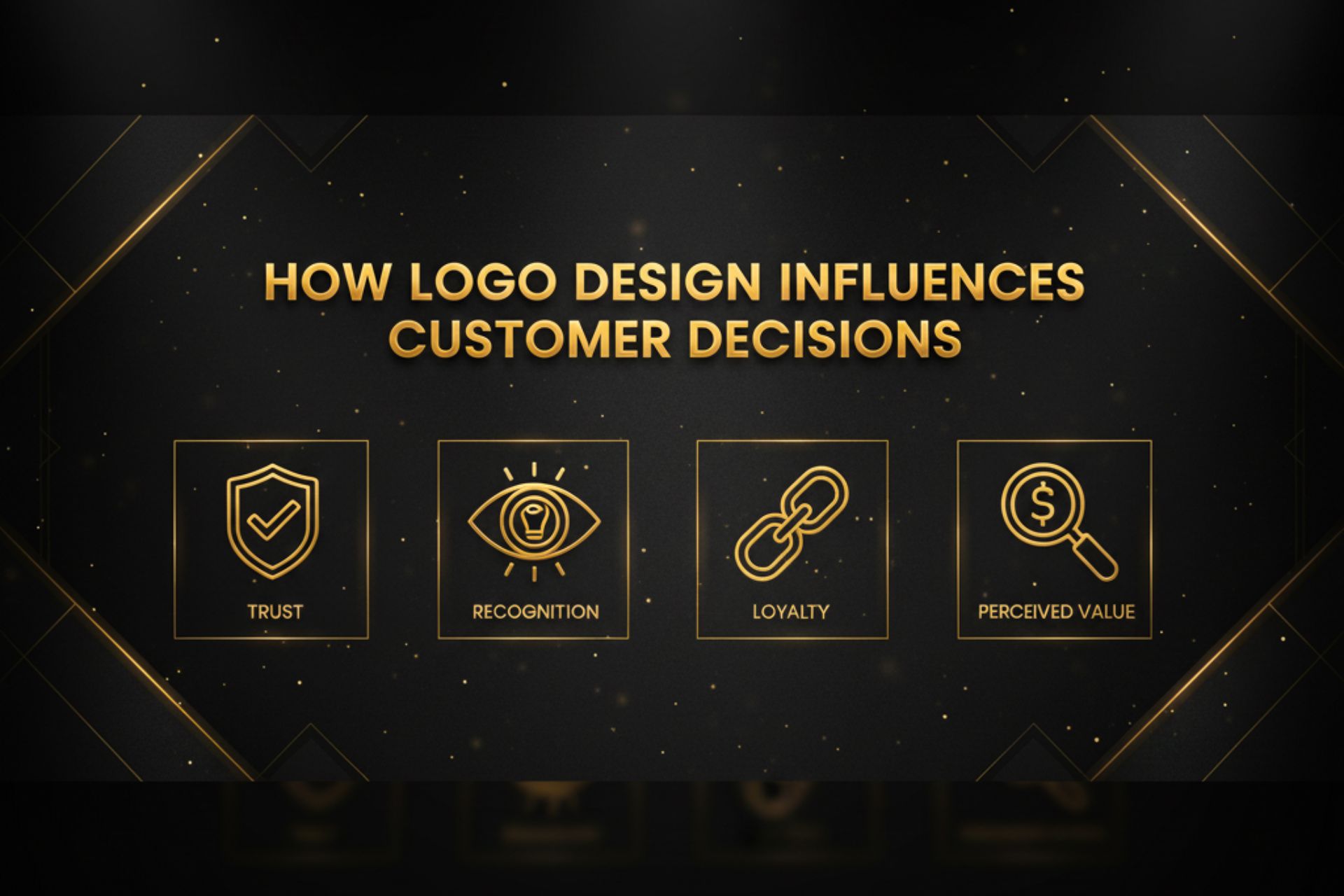
Psychology-infused logos enhance business results because they convey the right emotions. Consumers are more prone to trust, purchase from, and recall brands that resonate with their expectations.
1.Instills Immediate Trust: When your logo appears professional, patrons believe your business is also professional.
2.Boosts Recognition:** Shapes and colors aid consumers in quickly and effortlessly recalling your brand.
3.Influences Purchase Decisions:** Premium logos enhance perceived value, enabling you to charge higher prices.
4.Fosters Emotional Bonds:** When your brand’s character aligns with its visual representation, customers feel recognized and connected.
5.Differentiates You from Rivals:** A psychologically driven logo feels original, well-thought-out, and significant, allowing you to shine in a saturated market.
Real-World Applications of Logo Science
1. A Real Estate Company: A sleek, square-centric logo conveys reliability and trustworthiness—precisely what homebuyers desire.
2. A High-End Salon: Golden tones and refined curves project exclusivity and premium service, drawing an upscale clientele.
3. A Technology Startup: Triangle-inspired designs evoke innovation and forward-thinking, appealing to investors and early adopters.
These instances highlight that design is not mere embellishment—it is a powerful form of communication that directly affects brand perception and its commercial viability.
Conclusion:
Your Logo as Your Initial Sales Asset
In 2025, a logo rooted in psychological principles grants your business a notable competitive edge. When shapes and colors resonate with your brand message, consumers quickly recognize who you are and what you stand for.
A logo that appears premium emanates premium feel—and customers react accordingly. Investing in intentional logo design is an investment in your brand’s expansion, trust, and enduring success.