
The Strength of Strategic Media Buying for Marketing Achievement
Recent Post



Ready to boost your reach and build a powerful brand online?
Phone
+92-302-5643101
info@hazaradigitals.com
Introduction
The Importance of Media Buying
In today’s rapidly evolving digital marketing landscape, attaining success involves more than just an outstanding product—it requires savvy investments. With a plethora of online platforms and channels to choose from, businesses frequently grapple with identifying where their marketing resources will yield the best impact. This is where strategic media purchasing emerges as indispensable. Media buying is a methodical, data-informed approach that ensures your brand’s message reaches the right audience, at the right moment, on the most effective platforms. By thoughtfully strategizing and executing, organizations can significantly amplify their marketing efforts, resulting directly in improved conversions and an exceptional Return on Investment (ROI).
Grasping the Media Buying Process
At its essence, media buying entails acquiring advertising space or time across a range of channels. This encompasses digital platforms such as social media (Facebook, Instagram), search engines (Google), and traditional media (TV, radio, print). Contemporary media buying transcends mere purchasing; it involves
strategic planning, accurate audience targeting, and ongoing optimization to maximize both influence and efficiency. The process leverages data regarding consumer behavior, demographics, and previous campaign performances to identify the most advantageous ad placements. Marketers then bid for this advertising space, meticulously choosing the channels and timing that offer optimum visibility to their intended audience. The primary objective is to foster high engagement and conversions while diligently managing costs.
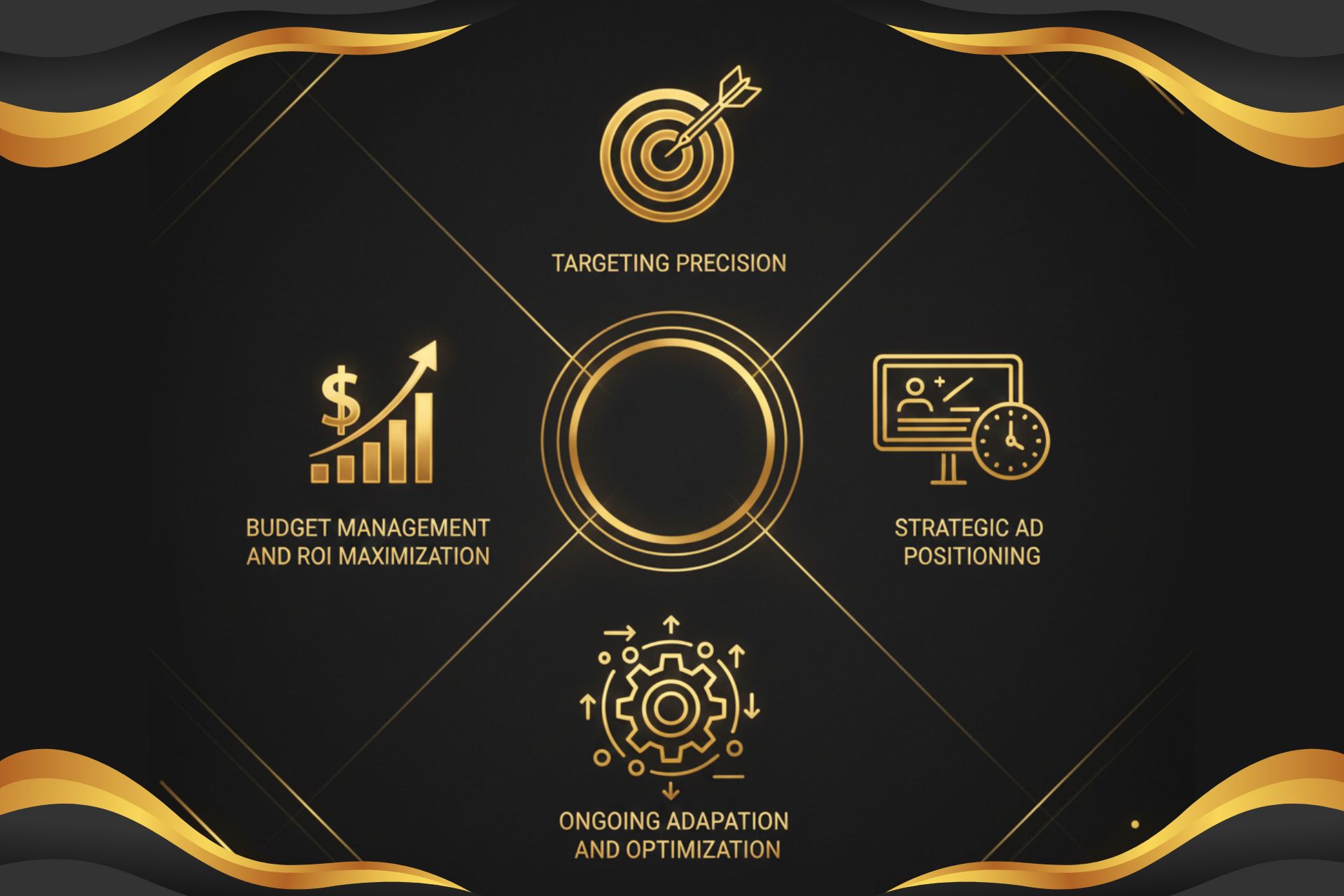
Strategic media buying is vital for success due to its core benefits:
1. Targeting Precision
A chief advantage of media buying is its capacity to concentrate on specific interests, behaviors, and demographics. Whether utilizing audience segmentation on social media or intent-based keywords via search engines, media buying enables advertisers to identify the most pertinent consumers. This level of precision guarantees that each marketing dollar is utilized effectively, significantly minimizing budget wastage and leading to notably increased engagement and conversion rates.
2. Budget Management and ROI Maximization
Efficient media buying is about optimizing your spending. By perpetually analyzing data and refining campaigns, businesses can avoid overspending on placements that yield no results. By employing intelligent bidding strategies like Cost-Per-Click (CPC) and Cost-Per-Impression (CPM), advertisers can set limits and focus on paying solely for inventory that performs well. This concentrated approach culminates in a distinctly higher ROI.
3. Strategic Ad Positioning
The placement of your advertisements is crucial for success. Media buying allows organizations to position their ads on the most relevant platforms at the most favorable moments for instance, during peak traffic times or alongside targeted content. This optimized placement enhances visibility, ensuring your message captures consumer attention and prompts immediate action
4. Ongoing Adaptation and Optimization
Media buying is a fluid process that necessitates continuous tracking and analysis. To ensure sustained success, advertisers must frequently adjust their ad placements, creative elements, and bidding strategies based on real-time performance metrics. This adaptable approach enables businesses to swiftly react to market fluctuations and shifting consumer behaviors, keeping the marketing strategy focused and potent.
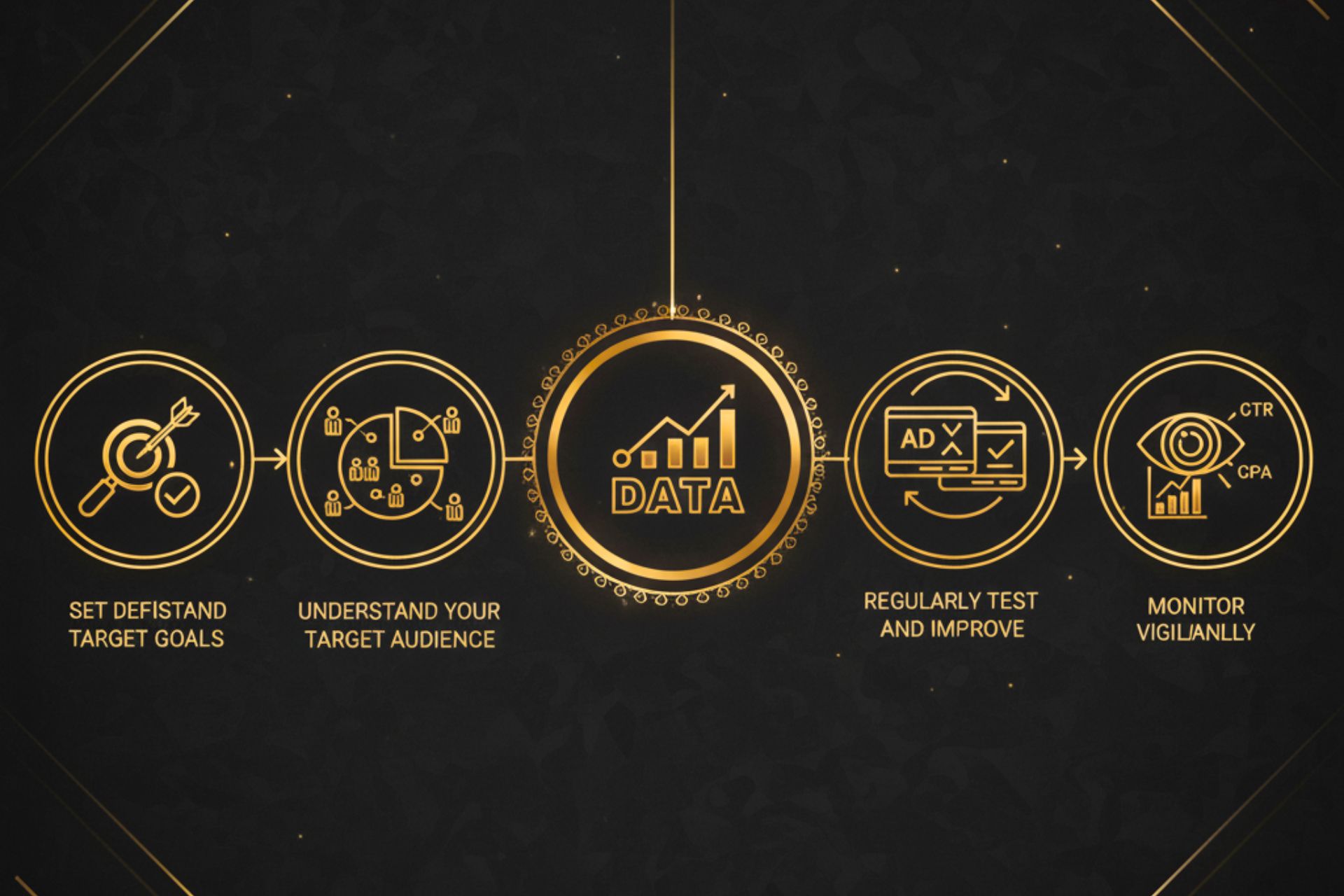
To optimize media purchasing, businesses should adhere to the following strategies:
Set Definite Goals:
Establish quantifiable objectives (like enhancing brand recognition or generating leads) before commencing any campaign. These aims will steer your spending and tactics.
Understand Your Target Audience:
Dedicate time to comprehending your target audience’s habits and
preferences. This knowledge leads to relevant campaigns and more effective placement decisions.
Make Data-Driven Choices:
Ground all media buying decisions in performance data from prior campaigns and contemporary trends. A data-centric approach guarantees maximum impact and efficiency.
Regularly Test and Improve:
Employ A/B testing to evaluate various ad creatives and channels. Continually refine your strategy based on these test outcomes to boost performance over time.
Monitor Vigilantly:
Maintain a close watch on key metrics (such as CTR and CPA). Be prepared to adjust in real-time if campaign performance fails to meet expectations.
Conclusion
Strategic media buying stands as the cornerstone of any successful digital marketing strategy. Through meticulous selection of advertising venues, precise targeting of the relevant audience, and dedication to continuous refinement, businesses can achieve improved visibility, deeper customer interaction, and, most crucially, significantly elevated returns on their investments. In an overpopulated digital landscape, a savvy, data-informed media buying strategy is the vital ingredient for attaining and maintaining comprehensive marketing success.